
BRICS Military Cooperation and Competition: Strategy, Sovereignty, and Security in a Multipolar World
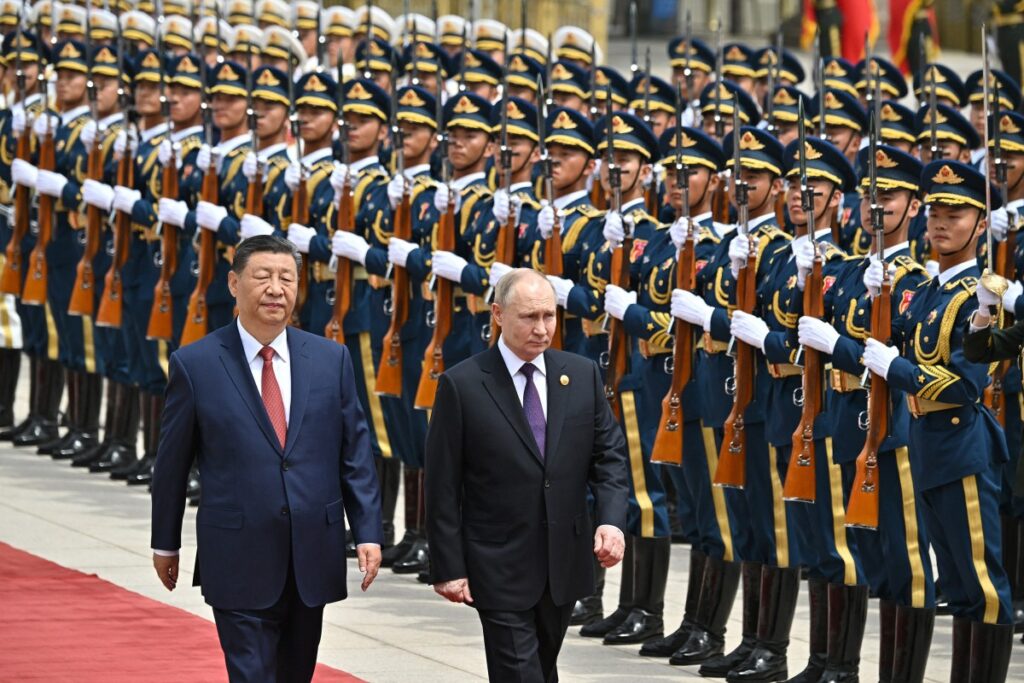
As the global security architecture undergoes its most significant transformation since the end of the Cold War, the expanded BRICS bloc — Brazil, Russia, India, China, South Africa, and new members including Iran, Egypt, Ethiopia, and the UAE — is increasingly viewed through a military lens.
Though not a formal defense alliance like NATO, BRICS military cooperation is quietly reshaping geopolitical calculations across Eurasia, Africa, and beyond. From joint exercises and arms exports to indigenous defense innovation and Arctic strategy, BRICS nations are asserting a more coordinated — if carefully balanced — approach to security in a multipolar world.
The question is no longer whether BRICS has military relevance. The question is how far that relevance will extend.
The Strategic Context: From Economic Bloc to Security Actor
BRICS was founded in 2009 primarily as an economic and political counterweight to Western-dominated institutions. But over the past decade — particularly following the Ukraine conflict and intensifying U.S.-China rivalry — security concerns have become unavoidable.
As Russian President Vladimir Putin stated at the 2023 BRICS summit, “The unipolar world order is becoming a thing of the past.” While political rhetoric often outpaces policy coordination, defense postures across BRICS members increasingly reflect shared interests in:
- Strategic autonomy
- De-dollarization of defense procurement
- Reduced dependence on Western weapons systems
- Expanded South-South military cooperation
Yet, BRICS military cooperation remains complex. Members have divergent alliances, border disputes, and competing regional ambitions — particularly between China and India.
Russia and China: The Military Core
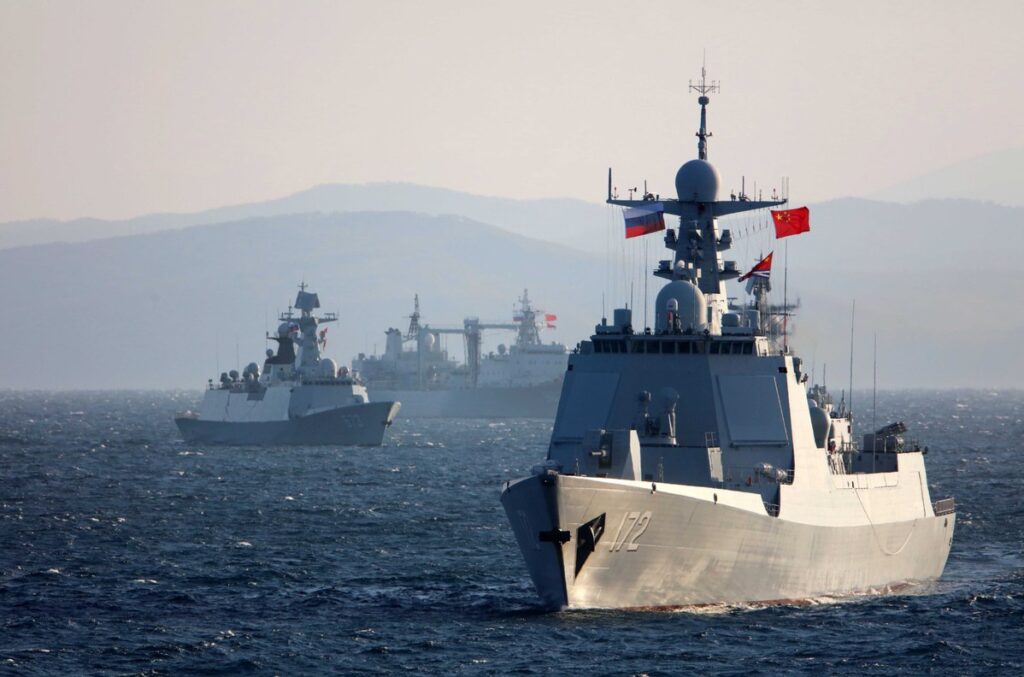
Russia and China form the de facto military backbone of BRICS. Their partnership, described in 2022 as having “no limits,” has deepened across multiple domains:
- Joint naval patrols in the Pacific
- Coordinated bomber flights over the Sea of Japan
- Shared missile early-warning technology
- Expanded arms trade settlements in local currencies
China’s rapid military modernization — including hypersonic weapons, aircraft carriers, and AI-enabled command systems — aligns with Russia’s long-standing strength in missile technology and nuclear deterrence.
However, analysts caution against overstating unity. Russia remains a major arms supplier to India, a country that has fought border clashes with China as recently as 2020. The BRICS military dynamic is therefore less an alliance and more a strategic convergence of interests.
India: Strategic Autonomy Above Alignment
India occupies a uniquely balanced position. It is a member of BRICS and the Shanghai Cooperation Organisation, yet also participates in the Quad security dialogue with the United States, Japan, and Australia.
India’s defense policy emphasizes:
- Indigenous production under “Make in India”
- Diversification of arms suppliers
- Maritime security in the Indian Ocean
- AI and space-based defense capabilities
India remains one of the world’s largest arms importers but is investing heavily in domestic missile systems, aircraft carriers, and drone technology.
In a 2023 address, India’s Defense Minister Rajnath Singh emphasized, “India believes in strategic autonomy. We do not align; we partner.”
This posture underscores the reality that BRICS military cooperation will likely remain flexible and issue-based rather than treaty-bound.
Emerging Members and Regional Power Projection
The expansion of BRICS adds new military dimensions.
Iran
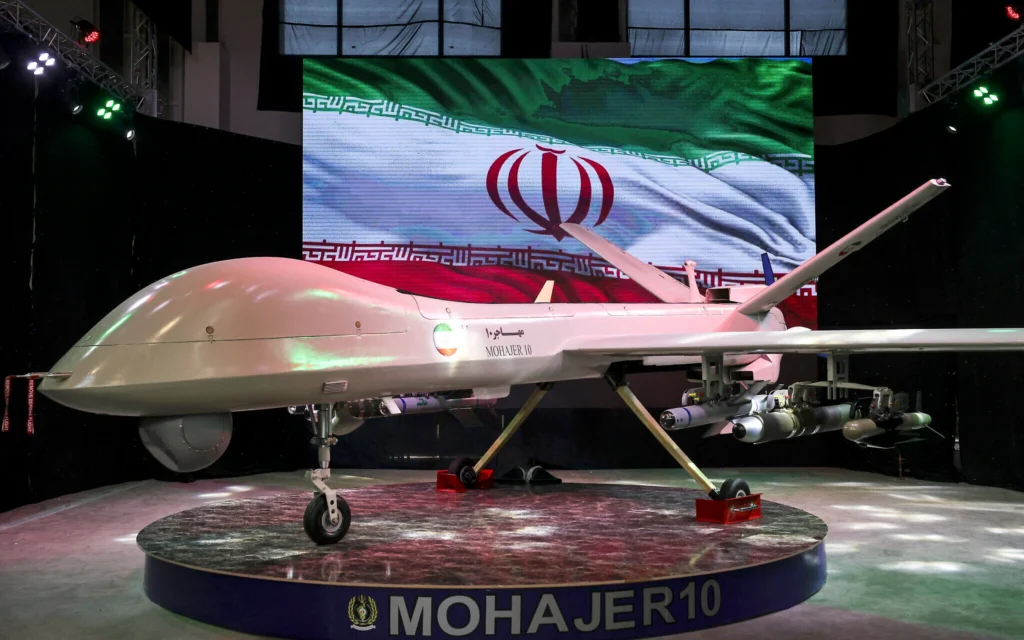
Iran brings significant missile capabilities, drone warfare expertise, and strategic depth in the Persian Gulf. Iran’s inclusion strengthens BRICS’ footprint in West Asia and challenges U.S. naval dominance in key shipping corridors.
Egypt
Egypt controls the Suez Canal and fields one of Africa’s largest militaries. Cairo has diversified its defense suppliers in recent years, purchasing from Russia and France while maintaining ties with the U.S.
South Africa
South Africa plays a smaller military role but holds symbolic and strategic value, particularly in naval access and defense manufacturing within Africa.
Arctic and Maritime Security: A New Frontier
One often overlooked military dimension is the Arctic.
Russia controls the world’s largest Arctic coastline and has reopened Soviet-era bases while deploying advanced air defense systems in the High North. China has declared itself a “near-Arctic state” and invests in Arctic shipping routes and dual-use infrastructure.
While Brazil and South Africa have limited Arctic roles, the strategic implications are significant:
- Northern Sea Route as alternative to Suez
- Resource competition
- Submarine and missile positioning
BRICS military influence in Arctic policy discussions is likely to grow, particularly as climate change opens new corridors.
Technology and AI in BRICS Defense Strategy
Military power today is inseparable from technological capability.
China leads in AI-enabled battlefield systems, quantum communications, and drone swarms. India is accelerating AI-based command systems and cyber defense. Russia focuses on electronic warfare and missile systems.
Shared themes include:
- Hypersonic weapons development
- AI-enhanced surveillance
- Satellite navigation alternatives to GPS
- Cyber warfare resilience
Notably, China’s BeiDou satellite system offers BRICS members a potential alternative to U.S.-controlled GPS — a strategic consideration in conflict scenarios.
Defense Trade and De-Dollarization
Another emerging pillar of BRICS military cooperation is financial.
Western sanctions on Russia accelerated moves toward:
- Local currency arms trade
- Alternative payment systems
- Insurance and shipping outside Western control
India has purchased Russian oil and weapons in rupees and rubles. China increasingly settles defense contracts in yuan. These shifts may gradually erode Western leverage over global defense markets.
Constraints and Contradictions
Despite momentum, several factors limit the emergence of a cohesive BRICS military bloc:
- India-China border tensions
- Brazil’s relatively limited military ambitions
- Divergent threat perceptions
- Absence of a collective defense clause
BRICS is not NATO — and shows no signs of becoming one. Instead, it functions as a strategic platform where members coordinate selectively while preserving national sovereignty.
This flexibility may be its greatest strength — or its structural weakness.
Conclusion: A Security Multiplier, Not an Alliance
BRICS military cooperation is best understood not as an alliance but as a force multiplier in a shifting global order. It provides:
- Strategic hedging against Western dominance
- Expanded defense markets
- Technology sharing opportunities
- Political signaling power
As geopolitical competition intensifies — particularly between Washington and Beijing — BRICS will increasingly influence global military balances, even without formal integration.
For policymakers, defense analysts, and citizens across member states, the key question is not whether BRICS will militarize — it already has. The real question is whether its members can align their ambitions without compromising the very sovereignty they seek to defend.
In a multipolar world, coordination may prove more powerful than cohesion.
Leave a comment