
Arctic Strategy and the BRICS Nations: Infrastructure, Security, and the New Polar Geopolitics
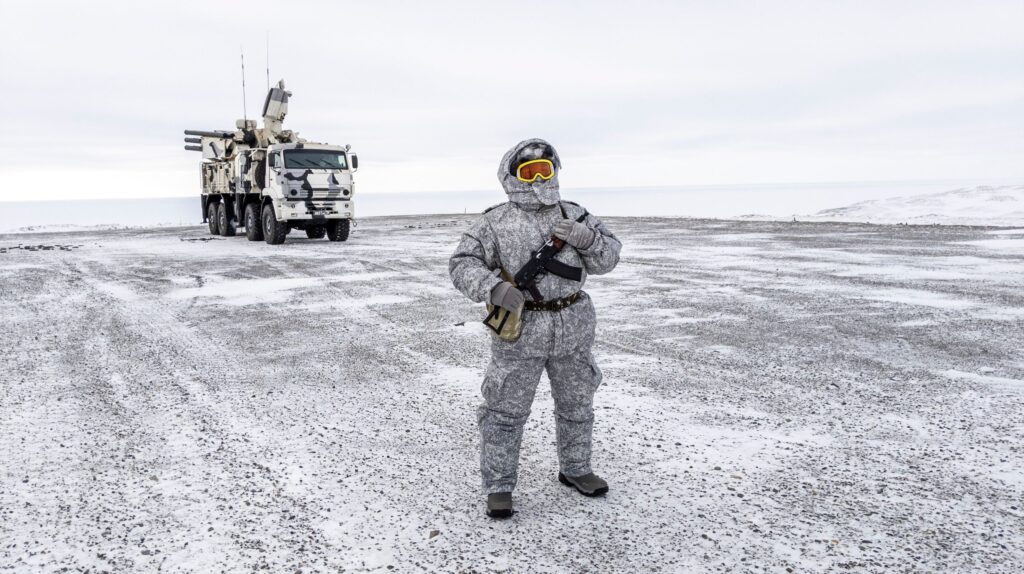
The Arctic as the New Strategic Frontier
The Arctic is no longer a frozen periphery of global politics. Melting sea ice, expanding shipping corridors, untapped hydrocarbon reserves, and renewed military deployments have transformed the High North into a theater of geopolitical consequence.
For the BRICS nations — particularly Russia and China — Arctic strategy now intersects with energy security, global trade routes, defense posture, and technological sovereignty. While not all BRICS members possess Arctic territory, the bloc’s combined economic and political weight is increasingly shaping polar governance discussions.
The Arctic’s future will not be decided solely by traditional Western powers. Emerging economies are positioning themselves to influence the next chapter of polar geopolitics.
Russia: The Arctic Anchor
Russia controls roughly half of the Arctic coastline, making it the central Arctic actor within the BRICS framework. Moscow has invested heavily in:
- Modernized Arctic military bases
- Icebreaker fleets, including nuclear-powered vessels
- Expansion of the Northern Sea Route (NSR)
- Offshore oil and gas extraction
The Northern Sea Route offers a shorter maritime link between Europe and Asia compared to the Suez Canal, potentially reducing transit time by up to 40 percent during navigable months.
Through infrastructure upgrades and security deployments, Russia aims to turn the NSR into a commercially viable global shipping corridor. The strategy is both economic and military: Arctic ports and radar systems strengthen early-warning capabilities and secure energy assets.
Western sanctions have complicated financing and technology transfers for Arctic energy projects. However, alternative partnerships — particularly with China — have partially offset those constraints.
China: The “Near-Arctic State”
China does not possess Arctic territory, yet Beijing has declared itself a “near-Arctic state.” In its 2018 Arctic policy white paper, China introduced the concept of a “Polar Silk Road” — integrating Arctic shipping lanes into its broader Belt and Road Initiative.
China’s Arctic interests include:
- Access to shorter trade routes
- Participation in LNG and energy projects
- Scientific research stations
- Satellite ground infrastructure
Chinese investment in Russia’s Yamal LNG project signaled a deepening energy partnership. As climate change extends navigable seasons, China sees strategic value in diversifying trade routes away from chokepoints such as the Malacca Strait.
Beijing also maintains observer status in the Arctic Council, signaling diplomatic engagement alongside commercial ambition.
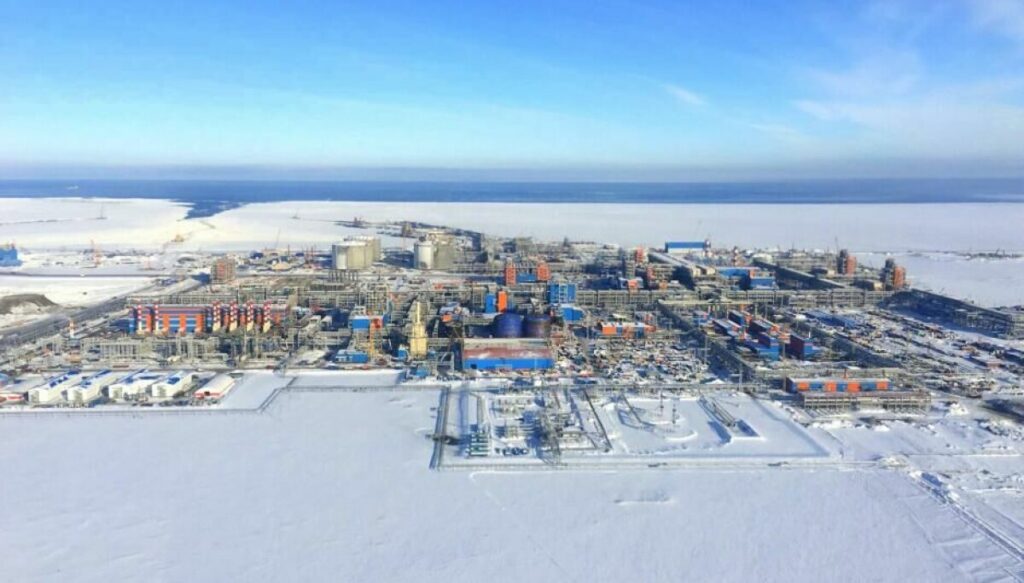
Energy Security and Resource Competition
The Arctic is estimated to hold approximately 13 percent of the world’s undiscovered oil and 30 percent of undiscovered natural gas reserves, according to widely cited geological surveys. For energy-importing nations like China and India, long-term access to diversified hydrocarbon supplies carries strategic importance.
India has shown interest in Arctic research and energy cooperation, though its role remains limited compared to Russia and China. India operates a research station in Svalbard and participates in Arctic scientific initiatives focused on climate change and oceanography.
Other BRICS members, including Brazil and South Africa, view Arctic developments primarily through energy pricing, maritime trade, and climate impact lenses rather than territorial ambition.
Still, as BRICS expands diplomatically, Arctic governance forums may increasingly reflect non-Western perspectives.
Military and Strategic Dimensions
The Arctic is not solely about shipping lanes and energy. It is also a military theater.
Russia has reopened Soviet-era bases, deployed advanced air defense systems, and increased submarine patrols in Arctic waters. These moves reinforce its nuclear deterrent posture and secure northern approaches.
China’s military presence in the Arctic remains limited, but dual-use infrastructure — including icebreakers and satellite systems — carries potential strategic implications.
The Arctic’s geography makes it a corridor for intercontinental ballistic missile trajectories and early-warning radar networks. As great-power competition intensifies, Arctic stability becomes intertwined with broader strategic balances.
For BRICS countries engaged in reshaping global governance, Arctic security is part of a wider multipolar recalibration.
Infrastructure, Technology, and Climate Realities
Arctic strategy is inseparable from technological capability. Ice-resistant drilling platforms, satellite-based navigation, autonomous vessels, and climate modeling systems are essential to sustained presence in extreme conditions.
Russia operates the world’s largest fleet of nuclear icebreakers, giving it unmatched logistical leverage. China has expanded its icebreaker fleet and Arctic-capable research vessels. Satellite networks — including China’s BeiDou — enhance navigation reliability in high-latitude regions where GPS coverage can fluctuate.
Yet climate change introduces uncertainty. While melting ice opens shipping lanes, it also destabilizes permafrost infrastructure and increases environmental risk.
Environmental governance will therefore remain central to Arctic policy. Oil spills or maritime accidents could trigger international disputes, particularly as traffic increases.
Governance and the Multipolar Shift
The Arctic Council, historically a forum for cooperation among Arctic states, has faced strain amid geopolitical tensions following the Ukraine conflict. This has created diplomatic space for alternative partnerships and bilateral agreements.
As BRICS expands to include Middle Eastern and African economies, its collective diplomatic influence grows — even if not all members possess Arctic stakes.
The broader strategic shift is clear: the Arctic is transitioning from a region of limited access to a contested arena of infrastructure, energy, and military positioning.
Conclusion: The Arctic in a Fragmenting Global Order
The Arctic’s transformation reflects the wider reordering of global power. Russia anchors territorial control and military presence. China pursues trade corridors and energy partnerships. India engages through research and long-term strategic observation.
For the BRICS nations, Arctic policy is not about formal alliance-building. It is about securing access, diversifying supply chains, and expanding geopolitical leverage in a region once dominated by Western powers.
The next decade will determine whether Arctic development proceeds through cooperative governance or strategic fragmentation.
What is certain is this: as the ice recedes, geopolitical competition advances. The High North is no longer remote — it is central to the emerging multipolar order.
Leave a comment